Wineries
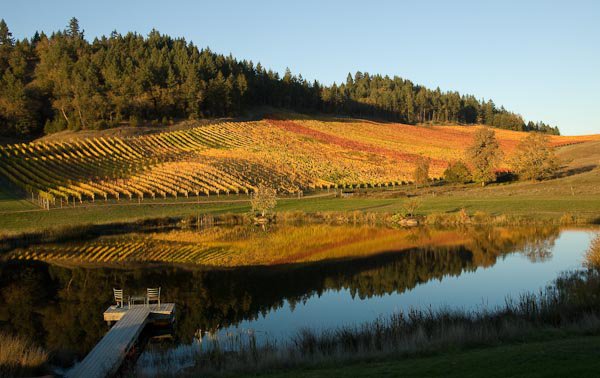
With over 30 wineries to choose from, you’ll explore an array of winemaking styles and find some new favorites on your visit to Wine Country. The majority of wineries in the Umpqua Valley are small, family-owned boutique wineries, where there’s a good chance that you’ll meet the Winemaker. Visit our Wineries page for a list of wineries organized by region.
Vineyards
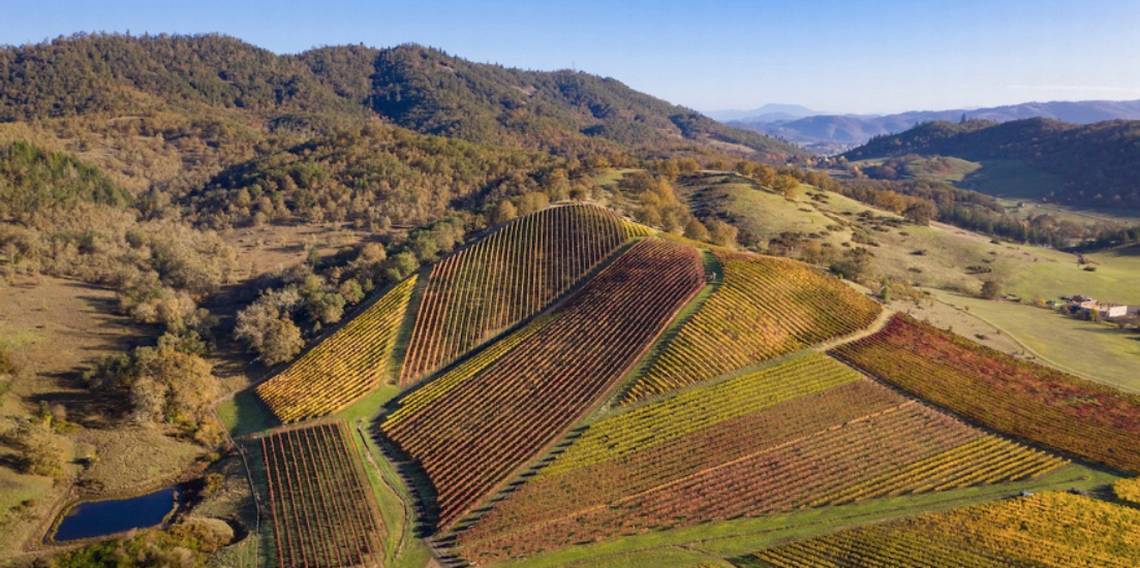
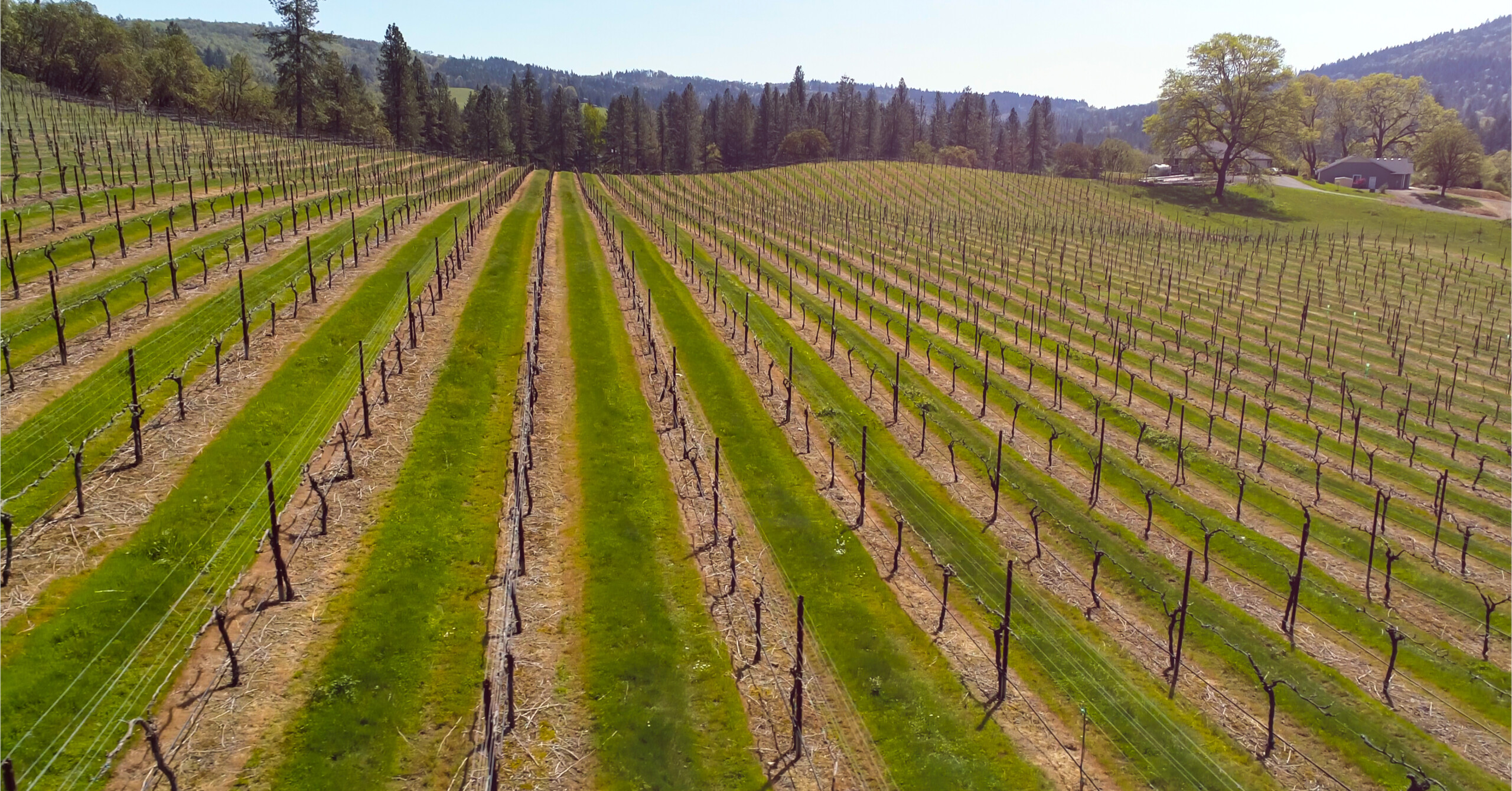
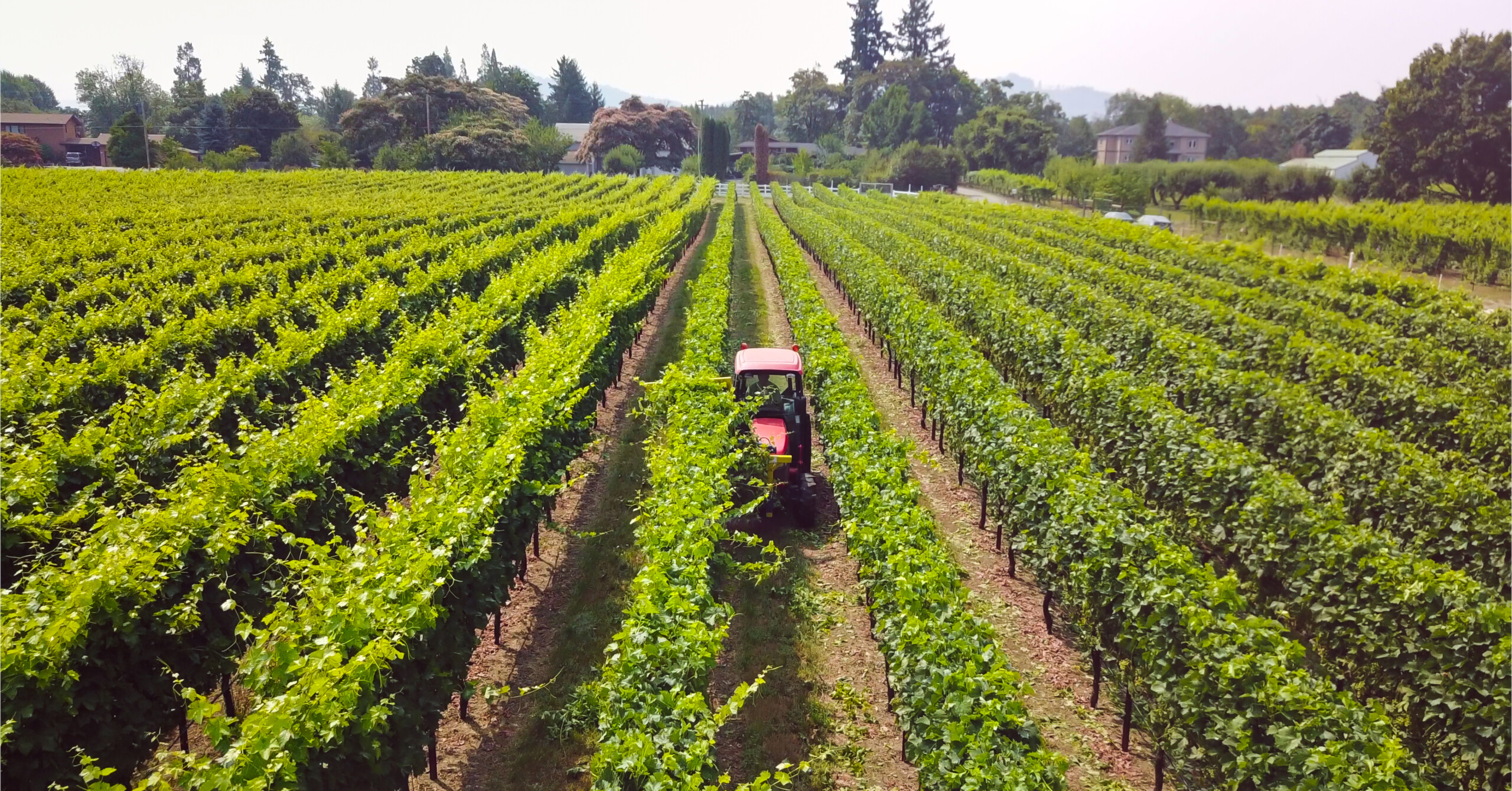
We are home to 70 vineyards with plantings that total over 4,000 acres. As one of Oregon’s most diverse AVAs in terms of climate ranges, we successfully grow both cool and warm climate grape varieties; cooler grapes like Pinot Noir and Riesling shine in the northern part of our region, while warmer varieties such as Tempranillo and Viognier thrive in the south valley.
Varieties Grown
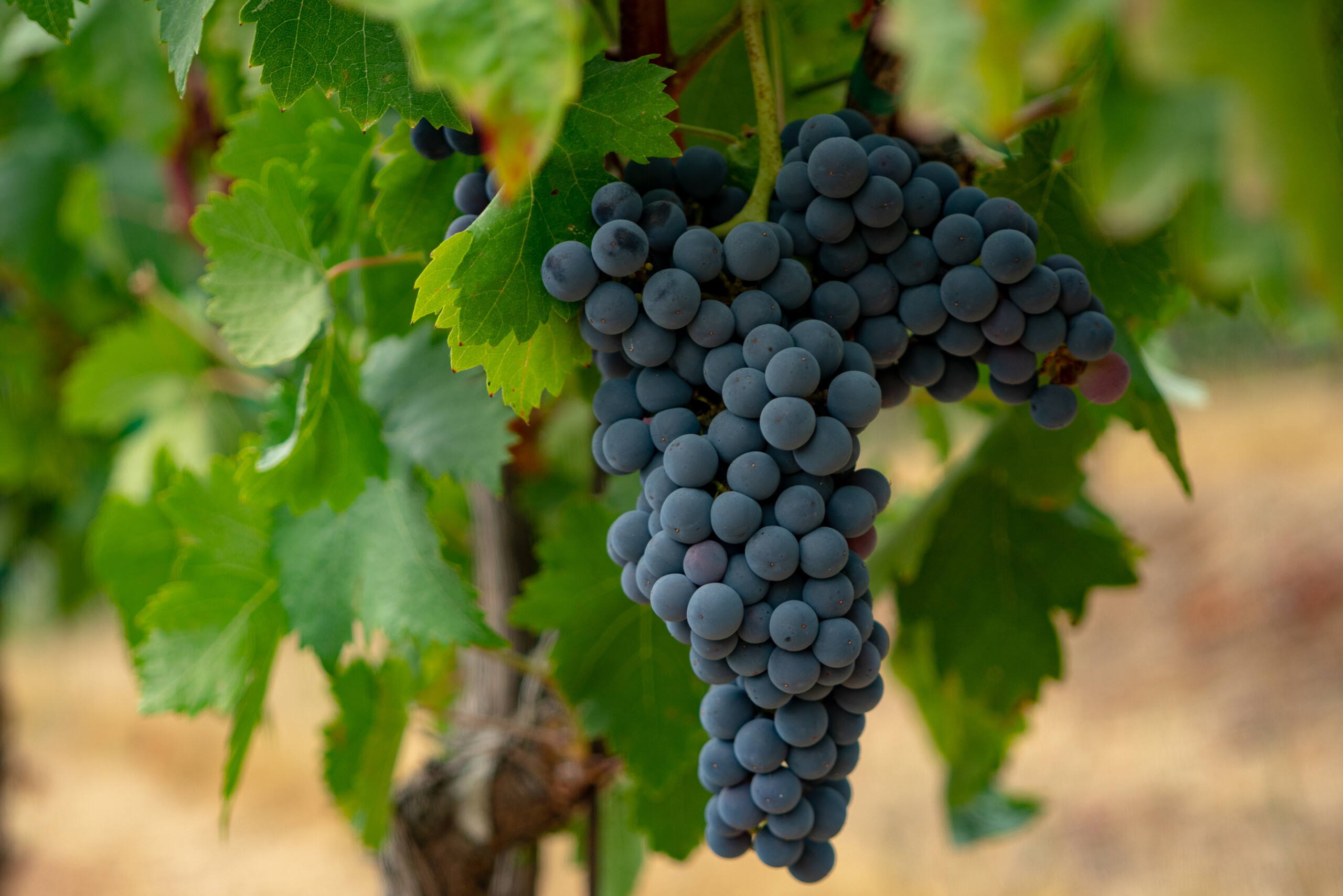
There are over 40 varieties planted to the Umpqua Valley. Our focus varieties include Syrah, Tempranillo, Pinot Noir, Pinot Gris and Riesling.
Soils
Over 150 soil types are derived from a mix of metamorphic, sedimentary and volcanic rock. The valley floor levels have mostly deep alluvial or heavy clay materials, while the hillsides and bench locations have mixed alluvial, silt or clay structures – all typically excellent for winegrowing.
Topography
The complex topography of the Umpqua Valley is a result of the collision of three mountain ranges of varying age and structure: the Klamath Mountains, the Coast Range and the Cascades. Many say the area should not be thought of as a single valley but, rather, more accurately “The Hundred Valleys of the Umpqua” because it is made up of a series of interconnecting small mountain ranges and valleys. There is a natural order with climate being cooler and wetter in the north and considerably warmer and dryer in the south.
Land Size & Borders
The Umpqua Valley sits between the Coast Range to the west and the Cascade Range to the east, with the Willamette Valley AVA to the north and the Rogue Valley AVA to the south. The appellation stretches 65 miles from north to south, and is 25 miles from east to west.
There are two sub-AVAs wholly within the boundaries of the Umpqua Valley: Red Hill Douglas County AVA, established in 2004 and Elkton Oregon AVA, established in 2013.
Earliest Plantings
Post-prohibition, the first winery in the Umpqua Valley was Adolph Doerner’s “Old #7″ winery located on Heydon Road near Roseburg. Doerner’s vineyards were planted by his father Adam, perhaps in the 1890s or earlier. Ray Doerner continued to operate “Old #7” until 1965 when he paid the last BATF taxes and closed his business.
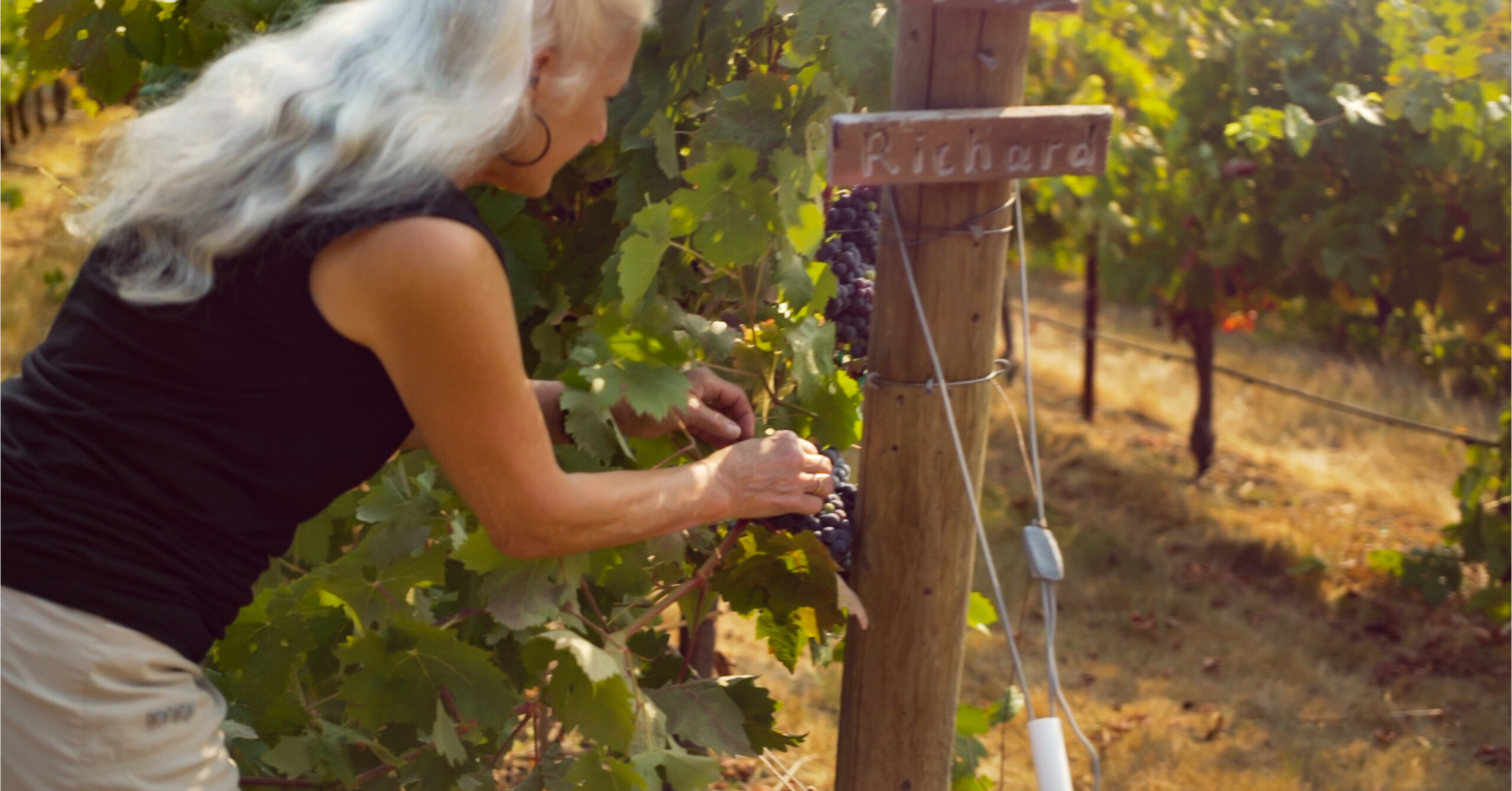
Richard Sommer established Hillcrest Vineyards near the Doerner’s in 1961, and was the first to plant Pinot Noir in Oregon. During the 1970s and 1980s new wineries opened, including Henry Estate Winery whose winemaker Scott Henry developed a now world-famous Henry Trellis System, which increases grape yield, among other benefits.
The Umpqua Valley appellation continues to evolve as new winemakers discover the area, bringing with them a passion for innovation and growing excellent wines.
