
50 Varieties, 100 Valleys: Tasting Your Way Through the Umpqua’s Microclimates
50 Varieties, 100 Valleys: Tasting Your Way Through the Umpqua’s Microclimates
In a single afternoon in Oregon’s Umpqua Valley, you can taste Tempranillo from the vineyard where Oregon’s first Tempranillo took root, sip America’s first commercially produced Grüner Veltliner at the winery that made it, and pour a glass of Albariño from some of the oldest vines of that grape in the country. Add Viognier, Baco Noir, Teroldego, Chasselas, and Pinot Noir, and the picture becomes clear: more than 50 grape varieties thrive across the Umpqua Valley AVA.
Most wine regions are known for one grape. The Willamette has Pinot Noir; Napa has Cabernet Sauvignon. The Umpqua has no single signature. Its patchwork of microclimates lets grapes from Spain to Switzerland each find a home in Southern Oregon, all within a short drive of one another.
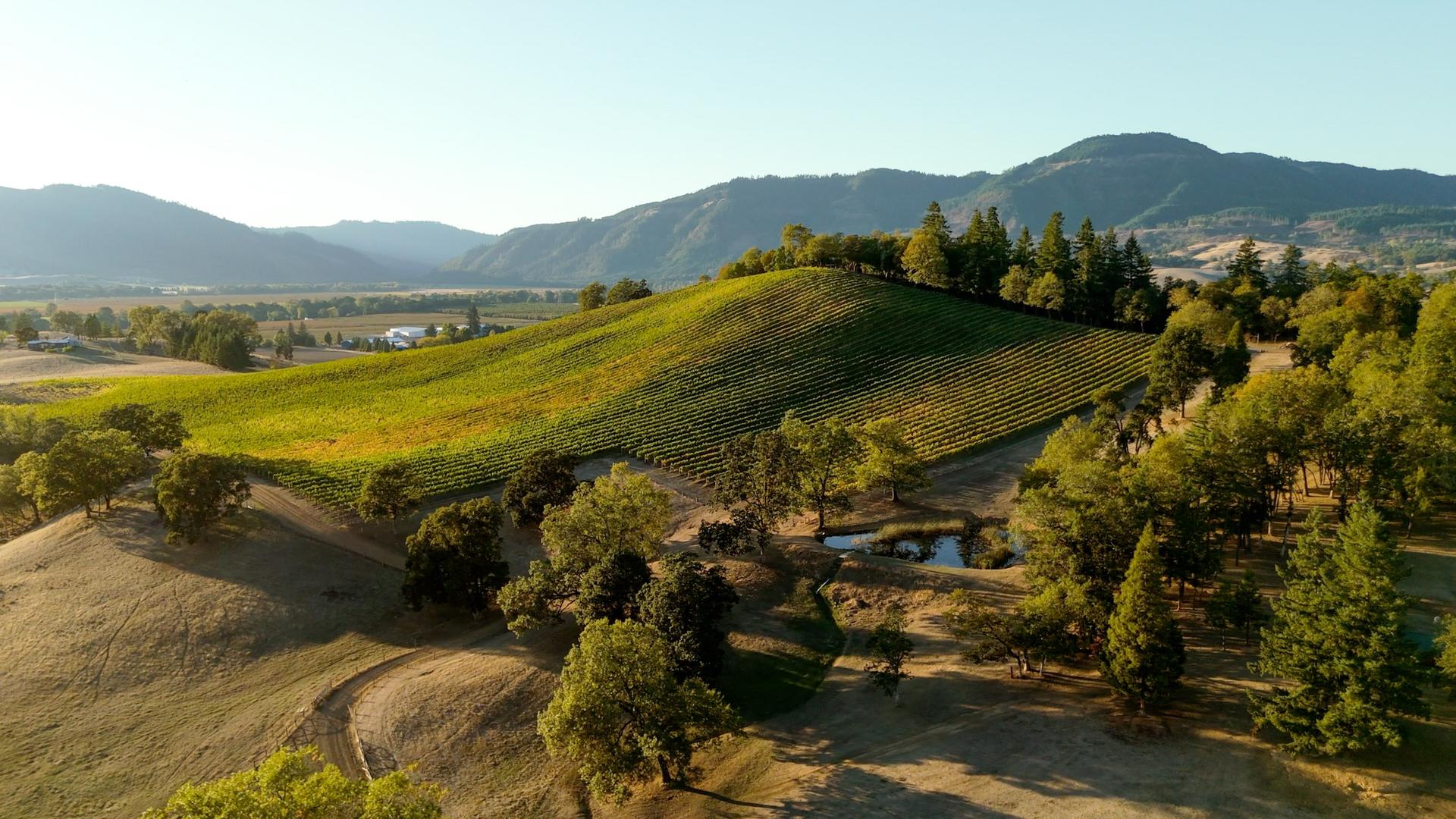
Where Three Mountain Ranges Meet
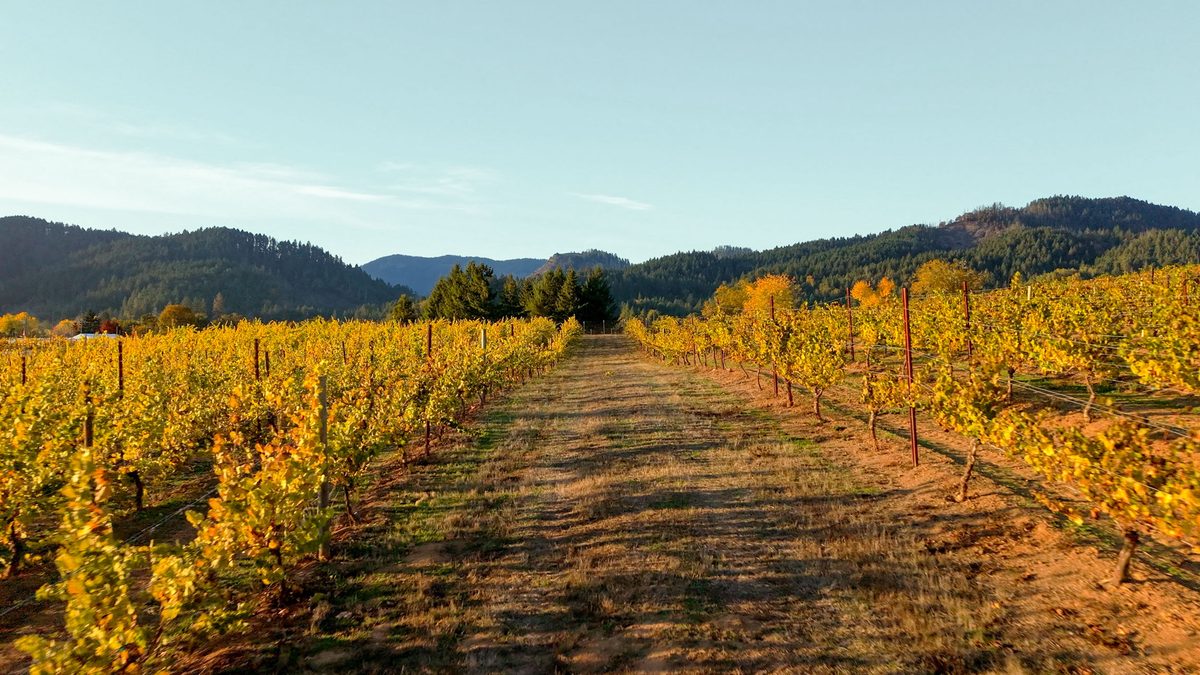
The Coast Range, the Cascades, and the Klamath Mountains converge here, folding the land into what locals call “the Hundred Valleys of Umpqua”. The result is more than 150 soil types and a climate that shifts from north to south. Sitting between the cool Willamette Valley and the hot, dry Rogue Valley, the Umpqua is a transition zone defined by three distinct belts:
- North (Elkton): Pacific breezes bring mist, cool nights, and more than 50 inches of rain a year. Pinot Noir, Riesling, and Pinot Gris thrive in and around the Elkton Oregon AVA.
- Central (Roseburg area): A transitional climate brings warm days and wide swings between day and night temperatures. Syrah, Merlot, and Chardonnay all flourish here, as well as Pinot Noir.
- South: Warmer and drier, with conditions closer to northern Spain than the Willamette. Tempranillo, Viognier, and Malbec are grown with great success.
“Our climate and landscape allow for a wide range of ripening potential for wine grapes,” says Greg Jones, CEO of Abacela and wine climate scientist. “We have an intermediate climate—not too hot, not too cold, with little weather risk from freezes, frosts, hail, and rain during the growing season. And the numerous valley extensions produce elevations and exposures that allow growers to plant varieties based on their heat and exposure requirements.”
Curiosity Is the Tradition
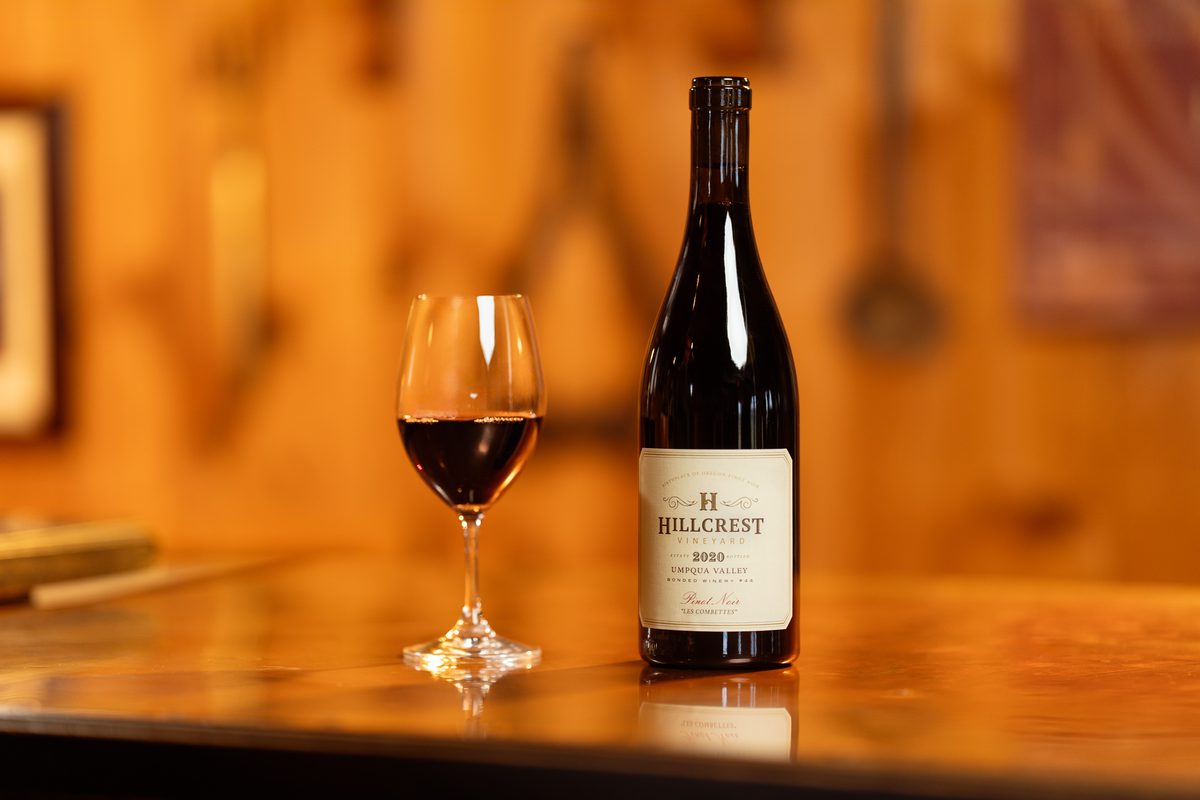
The experimenting started early. When Richard Sommer founded HillCrest in 1961, his UC Davis instructors had told him wine grapes wouldn’t succeed in Oregon. He planted 35 varieties anyway, including Pinot Noir, to see what would thrive. These Pinot Noir vines became the first to be planted in Oregon.
Today the DeMara family runs HillCrest, and its two generations have made wine in France, Germany, Italy, Spain, and Austria. For Dyson DeMara, a three-week journey through eight Hungarian wine regions in 2009 left a lasting impression. “I was amazed at how different not only the grape varieties were, but how unique the balance and winemaking techniques were,” he says. A couple of HillCrest wines pay direct tribute to that trip, including the Árpád “Bull’s Blood” Reserva, a nod to Hungary’s famous Egri Bikavér. But the old-world approach runs through everything the family makes: dry farming, fermentation in concrete tanks, and extended aging in barrels, including large European botti, all focused on classic grapes of Italy, France, and Spain.
DeMara’s philosophy could stand for the whole valley: “Good wines taste like a grape, and great wines taste like a place.”
“Good wines taste like a grape, and great wines taste like a place.”
Tempranillo: The Grape That Chose the Valley
Most wineries pick a place, then decide what to plant. Earl and Hilda Jones did the opposite. Two scientists with a love for Spanish wine searched the country for the climate that best matched Tempranillo’s home regions in Spain. The data pointed to the southern Umpqua. They planted Oregon’s first Tempranillo at Abacela in 1995. Their 1998 estate Tempranillo won first place at the San Francisco International Wine Competition, besting every Spanish Tempranillo entered.
That variety-site matching logic still guides the brand, which describes itself as 100% estate-grown. “Visiting our tasting room,” explains CEO Greg Jones, “feels like stepping into a portal to the sun-baked vineyards of Spain.”
“Visiting our tasting room feels like stepping into a portal to the sun-baked vineyards of Spain.”
Tempranillo has since spread across the valley, and each site gives it a different accent. Triple Oak Wine Vault in Oakland calls its climate ideal for the grape; its award-winning Tempranillo is known for a smooth, rich finish. Spire Mountain Cellars grows Tempranillo at elevation and pours vertical tastings, so you can taste how each vintage shapes the wine. Their philosophy: “Make great wines in the vineyard, and stay out of their way in the winery!”
In downtown Roseburg, Trella Vineyards blends Tempranillo and Malbec 50/50 into a bold red called Toro. If you’re looking for an Oregon Tempranillo winery, the Umpqua offers an entire trail of them.
Albariño: A Coastal Spanish Grape Finds a Home Inland
Tempranillo’s success led Abacela to look at another Iberian grape. In 2000, they planted Albariño, native to the damp Atlantic corner of northwestern Spain, and produced their first bottling in 2001. This made Abacela one of America’s first Albariño producers and, today, likely its longest-running.
“At Abacela we have planted Albariño to our north, northeast, or east aspects, giving it the warmth it needs to ripen, but not the higher heat that more southerly exposures provide to our other varieties,” says Jones. How does it compare with Albariño from Spain’s Rías Baixas? “It’s better! Abacela’s Albariño has bright and crisply defined natural acidity, with more generous, supple, or rounder mid-palate texture. Our Albariño also has a slight sea-spray salinity and slate-like minerality.”
That makes it among the most compelling Albariño Oregon wine lovers can taste at the source, and a natural partner for Pacific Coast seafood.
Abacela didn’t stop there. Of the 16 varieties on the estate, Jones counts at least 11 as firsts for the Umpqua Valley, among them Tinta Amarela, Touriga Nacional, Graciano, Tannat, Dolcetto, and Petit Verdot.
Grüner Veltliner: From the Austrian Alps to Roseburg
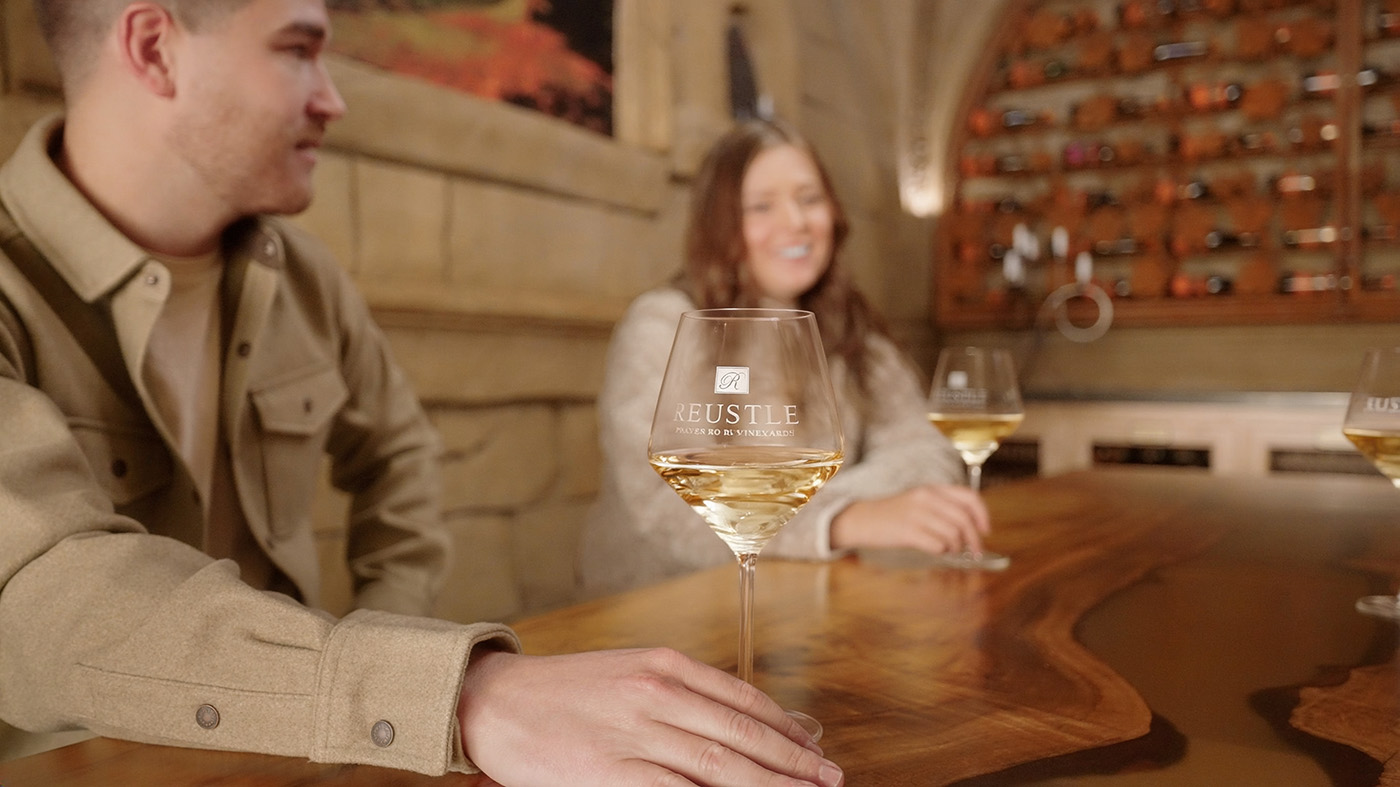
Stephen Reustle first tasted Grüner Veltliner at a restaurant in the Austrian Alps, on a motorcycle trip. Years later, after settling in the Umpqua Valley, he discovered that no American winery had ever produced it commercially; the federal government didn’t even recognize the variety.
After researching the grape’s viability in the Umpqua Valley, Reustle worked to get it recognized and planted it in 2003. In 2005, Reustle–Prayer Rock Vineyards released America’s first commercial Grüner Veltliner. Since then, his bottlings have collected top honors, including Best White Wine in North America at the San Francisco Chronicle Wine Competition. Read the full story of American Grüner Veltliner.
“What I discovered was remarkable,” Reustle says of his pre-planting research. “The soil characteristics and accumulated heat units at our vineyard were nearly identical to those found in important Grüner Veltliner-growing regions of Austria.”
“The soil characteristics and accumulated heat units at our vineyard were nearly identical to those found in important Grüner Veltliner-growing regions of Austria.”
Taste Reustle-Prayer Rock’s Grüner at the estate, home to Southern Oregon’s first wine cave, and you’ll see why Oregon Grüner Veltliner searches keep leading back to Roseburg.
Beyond the Headliners
The “50 varieties” figure isn’t a marketing flourish. It’s what you find when you ask winegrowers across the Umpqua Valley which grape they’re proudest of:
- Chasselas at Lexème (North Umpqua Valley). Monja Hudson brought Switzerland’s signature white grape from her home country. In her view, no grape expresses terroir more clearly: mineral, balanced, with floral and pear notes. Lexème also makes Gamay three ways—white, red, and rosé.
- Cool-climate Pinot Noir at Brandborg (North Umpqua Valley). In the misty north, Terry Brandborg of Brandborg Vineyard & Winery sums up its Pinot Noir in two words: acid-driven and delicate.
- Cabernet Franc at Knostman Family Winery (Central Umpqua Valley). Chuck Knostman says the wine “has a peaceful smooth warmth to it that you can feel.” Additionally, their Gamay Noir, he says, is “surprisingly complex and pairs with a wide variety of food.”
- Baco Noir at Girardet (South Umpqua Valley). This French-American hybrid was founder Philippe Girardet’s pet project—”Philippe’s baby”—chosen because it could be farmed naturally. Second-generation winemaker Marc Girardet calls it an uncommon grape that makes people question what they thought they knew about wine.
- Viognier at Freed Estate Winery (South Umpqua Valley). The award-winning, estate-grown Viognier sells out every year, alongside a flagship Syrah. And if it’s red you’re after, don’t miss Mike’s Reserve, a 2022 Merlot honoring the life and legacy of founder Mike Freed.
- Listán Prieto at Abacela (South Umpqua Valley). These vines were already on the property when the Joneses bought it, and they are believed to date to the Gold Rush era.
- What’s next at Richwine Vineyards (South Umpqua Valley). Up-and-coming winemaker Tyler Richwine is bringing Carménère, Carignan, Primitivo, and Assyrtiko to the valley. The grafts are expected to produce their first crop in 2027.

Austria to Spain Before Dinner
Here’s the payoff of this incredible diversity: In the Umpqua Valley, you can taste it all in one afternoon. Start with Grüner Veltliner at Reustle–Prayer Rock, then stop at HillCrest for Pinot Noir from Oregon’s oldest estate winery. Head south to Abacela for Tempranillo and Albariño, and finish at Freed Estate in Winston with Viognier on the patio, which, as the Freeds put it, feels like “a friend’s front porch, with a glass of really good wine and nowhere you need to be.”
That’s Austria, Burgundy, Spain, and the Rhône in a handful of stops, all within reach of Roseburg. Check each winery’s hours before you go; some tastings are by reservation.
Then do it again with a different lineup. Choose one of our four recommended weekend wine trails. Or browse the full list of Umpqua Valley grape varieties, then filter wineries by what you love to drink to build a personalized itinerary. With 50 varieties, it’s easy to venture beyond the grapes you know to discover something new.